
Funnel Marketing
11 Coupon Marketing Statistics You Can't Afford to Ignore
Published

Do coupons really work? Eleven coupon marketing statistics show how coupons give shoppers a reason to buy, create urgency with expiry dates and countdowns, and encourage bigger orders.
Coupons are a sales catalyst: they grab attention, give customers a reason to buy, and even prompt purchases people never planned to make. Coupons have long been one of the most common and effective marketing strategies, and since COVID-19 reshaped online shopping habits, they've become an even more powerful catalyst for conversion.
11 coupon marketing statistics
These figures were compiled when this article was written (2022). Most come from the US market and reflect shopping behavior during the pandemic:
- In 2020, 88% of US shoppers used coupons.
- 86% of millennials said a discount could persuade them to try a new brand.
- 67% of consumers have bought something they hadn't planned to because of a coupon.
- 92% of consumers look for deals and coupons before shopping online.
- Online shoppers who use coupons spend 24% more than those who don't.
- 50% of shoppers prefer to receive coupons by email.
- With a coupon available, 39% of shoppers buy sooner than they planned.
- 30% of shoppers redeem digital coupons within 24 hours.
- 60% of consumers said coupons became more important to them during the pandemic.
- In 2020, digital coupon use for online grocery shopping rose by 54%.
- 80% of coupon redemptions and gift claims are completed on a mobile phone.
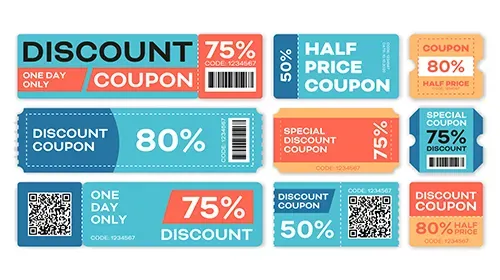
Why do coupons drive sales?
They give customers a reason to buy
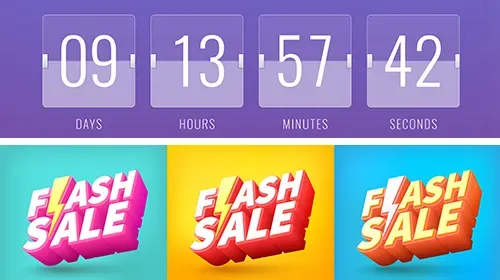
Coupons can persuade shoppers to choose your product over another brand's. Set a strategic expiry date and add a to-the-second countdown timer to create urgency (a Call for Urgency), and customers who are already interested will spend less time comparing brands and buy from you. The coupon is the final push that helps them decide.
Businesses often launch a promotional campaign alongside a coupon, giving shoppers a creative, interactive experience they can see and feel.
They get customers to buy more
We often talk about marketing bait: only bait that's truly appealing drives traffic. Free gifts are a powerful lead magnet, but your strategy should fit the nature of each promotion. Coupons exist to encourage shopping, so lead with an attractive offer and pair it with a campaign that stimulates spending — ideally rewarding customers with a bigger discount once their order reaches a set total. For more ways to raise order value, see One Small Shift in Where You Make Your Profit Can Boost Sales.
In fact, a coupon is both a promotional tool and a way to build brand awareness and store traffic. Even when a customer never uses the coupon, a prospect who sees your brand in the ad has still noticed you — so a coupon is a form of promotion in itself.
How high is a coupon's response rate?
You might not believe it, but research cited in the original article puts the coupon response rate at 75%, compared with just 25% for loyalty card offers. In an era when online shoppers habitually hunt for deals, coupons are an indispensable way to drive sales. When you run a campaign, try using coupons for selected products — the results may surprise you.
If you have a physical store, you can also let customers claim a named coupon online and use it in store, so every coupon is tied to a customer you can follow up with; a coupon redemption form lets you set quantity and expiry, and each coupon is voided once redeemed in store. For more online-to-store tactics, see O2O Foot-Traffic Conversion.
Related articles
- Event Registration Form: Setup, Reminders & Check-in Guide
- Online Booking Form: What to Collect & How to Cut No-Shows
- From funnel form to follow-up: how multi-channel drip sequences actually work