
Founder's Mindset
[Pro Tip] Interactive Marketing — Voting and Polls
Published

How does interactive marketing work? Starting with M&M's 1995 color vote, see how the Oscars, Microsoft Education, LastPass and Starbucks used polls, plus four ways to use them for your brand.
Contents
Interactive marketing invites consumers to take part in a brand's content and decisions, and voting and polls are among the lowest-barrier interactive tools there are: participants share an opinion with a single tap, and brands get engagement, customer insight and a group of fans who care — at a relatively low promotional cost.

Gamified Marketing: Deepening Customer Engagement
In another article, The Difference Between Voting, Surveys, and Polling, we defined the three formats and how they differ. Here the focus is gamified marketing. Whichever voting or polling format you use, the core idea is the same: interacting with users and building the customer relationships that grow out of that interaction. Depending on your goals and scale, you can pick the voting format that works as the entry point for new customers, then pair it with other nurturing programs.
Brand marketing is no longer just about offering a product or service; it's about creating varied marketing strategies. Getting customers to take part through gamification builds a strong two-way relationship, strengthens their connection to your brand and creates value together. Put the consumer at the center and weave fun, playful elements into your website, social media and day-to-day operations, and people enjoy a better experience and feel warmer toward your brand.
Why Are We So Drawn to Voting? The Story of the Blue M&M
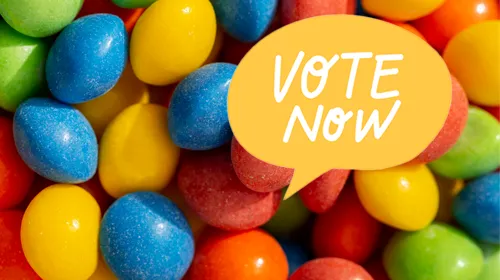
Before 1995, blue M&M's did not exist. That year, parent company Mars decided to shake things up with a move that was radical for its time: letting the public choose the product's new color.
Candy lovers could call a toll-free number to vote for blue, pink or purple to replace the tan M&M's of the day. By the end of the two-month campaign, more than 10 million votes had been cast. Blue won with 54% of the vote, and blue M&M's have been around ever since.
4 Ways Polls Can Give Your Brand an Edge
1. Make them laugh
If humor suits your brand, a little joke in a poll can work really well.
Make the question a bit silly, or give the options a playful, snarky edge, and let your audience enjoy a laugh.
2. Let fans take part through choice
Millions voted on the new M&M's color because they wanted to be part of a genuinely historic moment. When a brand invites users into its decision-making, it's telling fans: we care what you think.
Fans love sharing honest opinions with the brands they love.
3. Inform and entertain
Deliver your message in a uniquely interactive way.
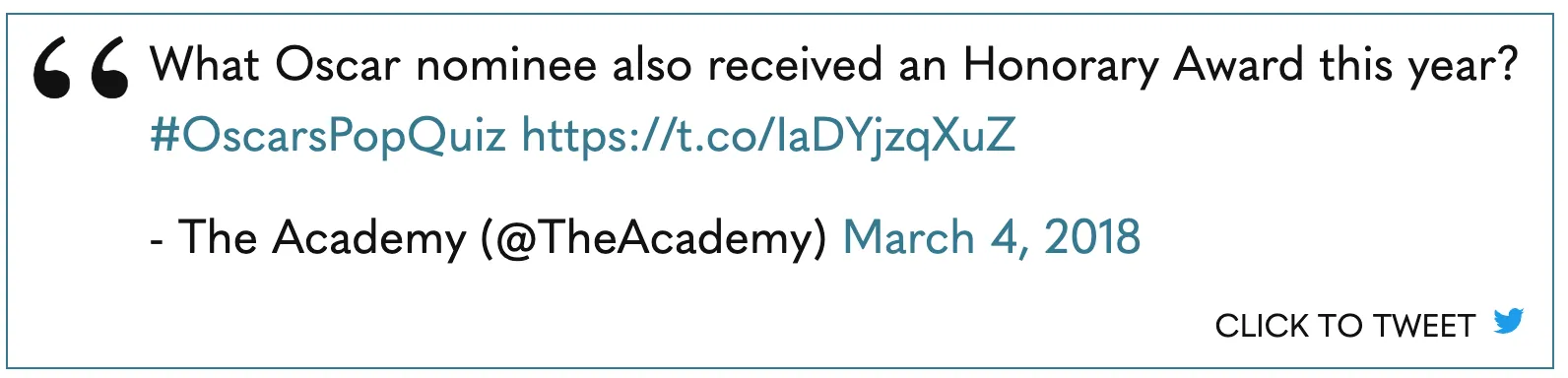
The Academy Awards engaged audiences with a pop quiz, asking on social media, "What Oscar nominee also received an Honorary Award this year?" A simple question paired with a polling feature is both fun and interactive.
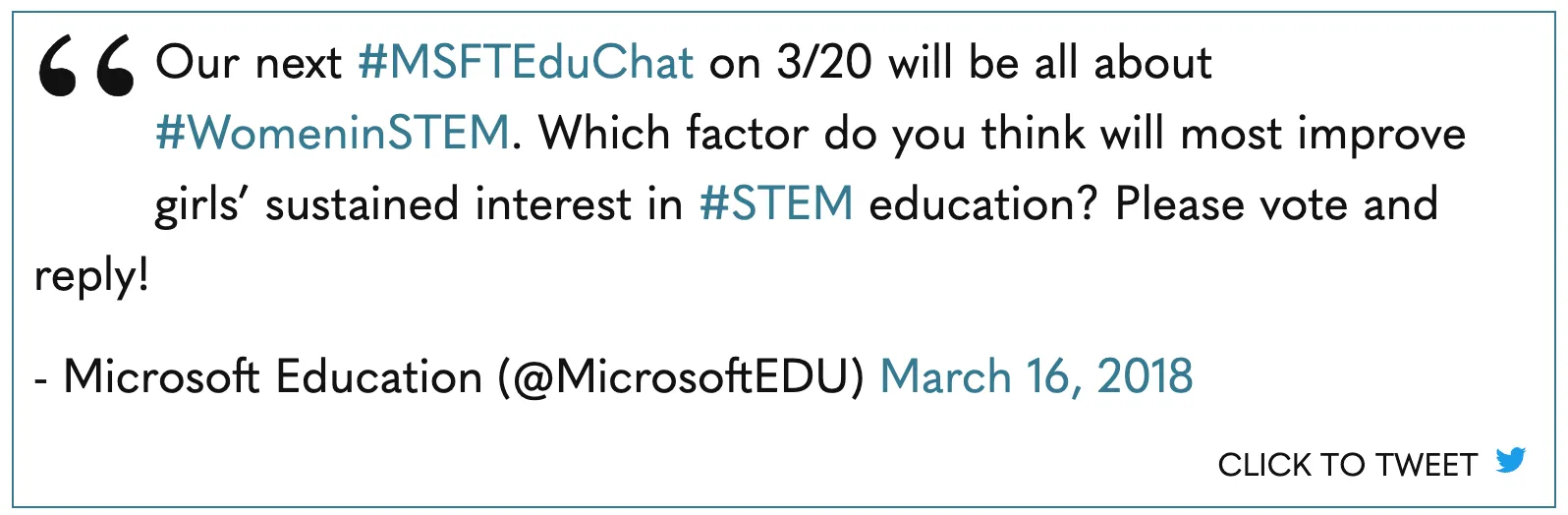
Microsoft Education opened with a conversation starter, using a poll to spark discussion about STEM education. Announcing a #MSFTEduChat on #WomeninSTEM, it asked people to vote and reply: which factor would most improve girls' sustained interest in STEM education? The post didn't just promote an upcoming event — it also positioned the brand as an expert in the field.
4. Do research and generate ideas
Instead of guessing what customers want, the most direct approach is simple: ask.
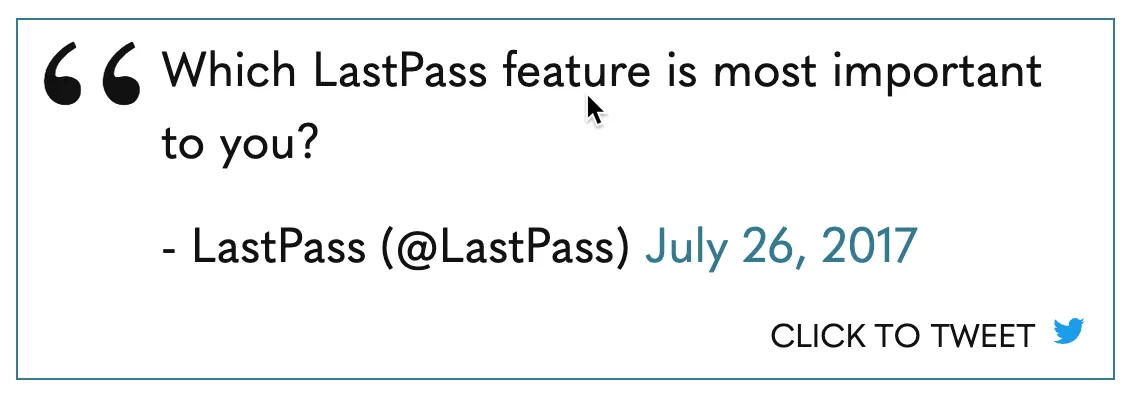
Example: password manager LastPass asked users which of its features mattered most to them. The answers help the brand build features that better match what customers actually need.
Beyond collecting fans' ideas, a brand can use a simple vote to push other topics into the spotlight — it's a stepping stone to interaction.
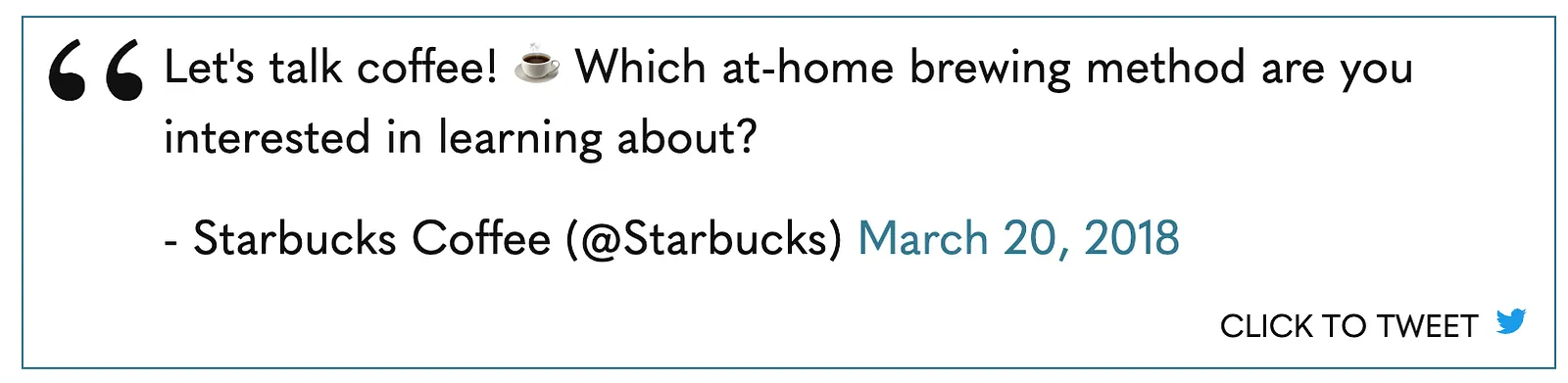
Example: Starbucks asked customers which at-home brewing method they wanted to learn about: a French press or a pour-over? Most chose the French press, and the poll sparked more conversation about brewing methods, giving Starbucks an easy opening to share more on the topic.
This approach draws customers into the conversation and gives the brand a chance to share expertise, which helps build loyalty.
Why Voting Works: A Few Extra Seconds of Attention
Voting contests do a lot for brand promotion: they raise customer engagement, gather information and build a fan base at a relatively low promotional cost.
Through voting, brands can capture customer opinions and refine products, or launch ones they already know will appeal to most customers. Voting and polls serve one more purpose: they break the habit of passively scrolling past content and encourage people to pause for a few seconds and think. Users are bombarded with information every day, so those few extra seconds can make all the difference.
Surprisingly, many brands have never run a vote or poll on any social platform. Using interactive tools more often helps a brand respond to the market faster and in the right direction.
From Interaction to Leads: What's Next?
Social media polls create engagement, but once participants move on, the brand usually has no way to reach them again. If you want every vote to keep the relationship going, use a named, one-person-one-vote voting form: votes are tallied in real time, voters are grouped automatically by the option they chose, and you can notify them when results are announced or the new product launches. For more on using votes to warm up a launch, see 3 ways to grow a business.
Related articles
- Why Personal Branding Matters So Much in the Gig Economy
- How to Choose Marketing Automation Tools for a Small Business
- [Must Read 2026] LINE Official Account Price Hike: Cut Costs