
Funnel Marketing
O2O Foot-Traffic Conversion — The New Retail Opportunity
Published

What is O2O? Learn how online-to-offline marketing brings internet shoppers into your store, with four tactics: register-and-redeem rewards, reviews, in-store pickup discounts and free trial bookings.
Contents
O2O (Online-to-Offline) is a business strategy that uses digital advertising and online tools to bring prospects from the internet into your physical store. COVID-19 changed consumer behavior dramatically: stuck at home, people shopped online like never before, especially in Southeast Asia. By 2022, when this article was written, vaccination rates were rising and restrictions were easing, so people felt more confident going out to shop again — many heading straight to the mall ready to spend.
What is O2O?
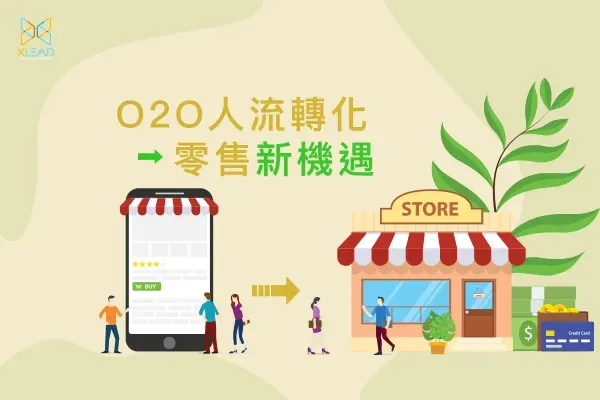
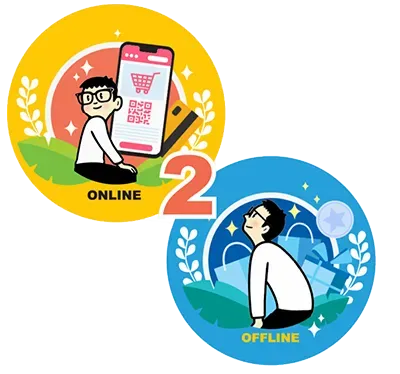
O2O means using digital advertising to draw online customers into your physical store — whether to redeem a gift, try a free experience, pick up a sample, or collect something they bought online. It's a strategy built around experience and in-store visits, creating a seamless shopping journey that makes it easier for customers to buy.
According to a 2021 study by the Tech for Good Institute and Bain & Company, of Southeast Asia's roughly 400 million internet users, about 115 million use three or more O2O services. People clearly value the convenience and flexibility of O2O — a shift closely tied to how the pandemic changed shopping.
For retailers and brands, that means one thing: you need to give shoppers who are used to buying online an in-store experience worth the trip.
Why do physical stores need O2O?
The main benefit of O2O is that it helps brands grow their customer base.
This is the O2O shopping era. A 2018 survey by Salesforce and Publicis.Sapient found that 87% of shoppers begin product searches online and 71% use their phones to check product information while in a store; another survey cited in the original article found that 61% of people find it convenient when a brand has a physical store. Shoppers research new products and browse social media to narrow their options. If you capture that channel and help customers find what they need, you can send internet traffic straight to your store — and done well, you'll get far more visits than face-to-face marketing alone.
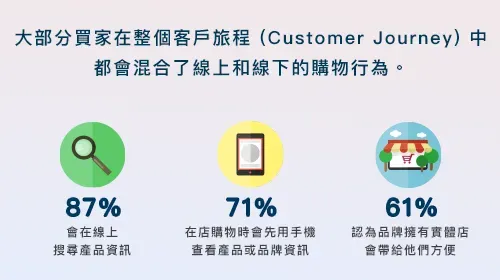
Not everyone walks past your store, and those who do won't necessarily come in. The vast majority of shoppers (87%) discover and learn about products online; search engines, social media and online reviews drive what they buy. So by using tools that let customers book or register online before visiting, you can put O2O's blend of online and offline to work.
4 simple, effective O2O strategies
When new customers don't know your brand yet, the best approach is a hook: catch their attention, ask them to register, then have them redeem or use it in store.
1. Register online, collect a reward in store
Prepare an attractive gift or offer — for example, a free skincare sample kit in store, a free 30-minute spa experience, buy-one-get-one-free, a free coffee with any purchase, or $200 off in-store spending with a promo code.
Each offer works as a hook that brings customers to your store. Exposed across different traffic pools and paired with gifts and ads, it wins new customers quickly. A simple flow:
Customer registers → receives an SMS → redeems in store
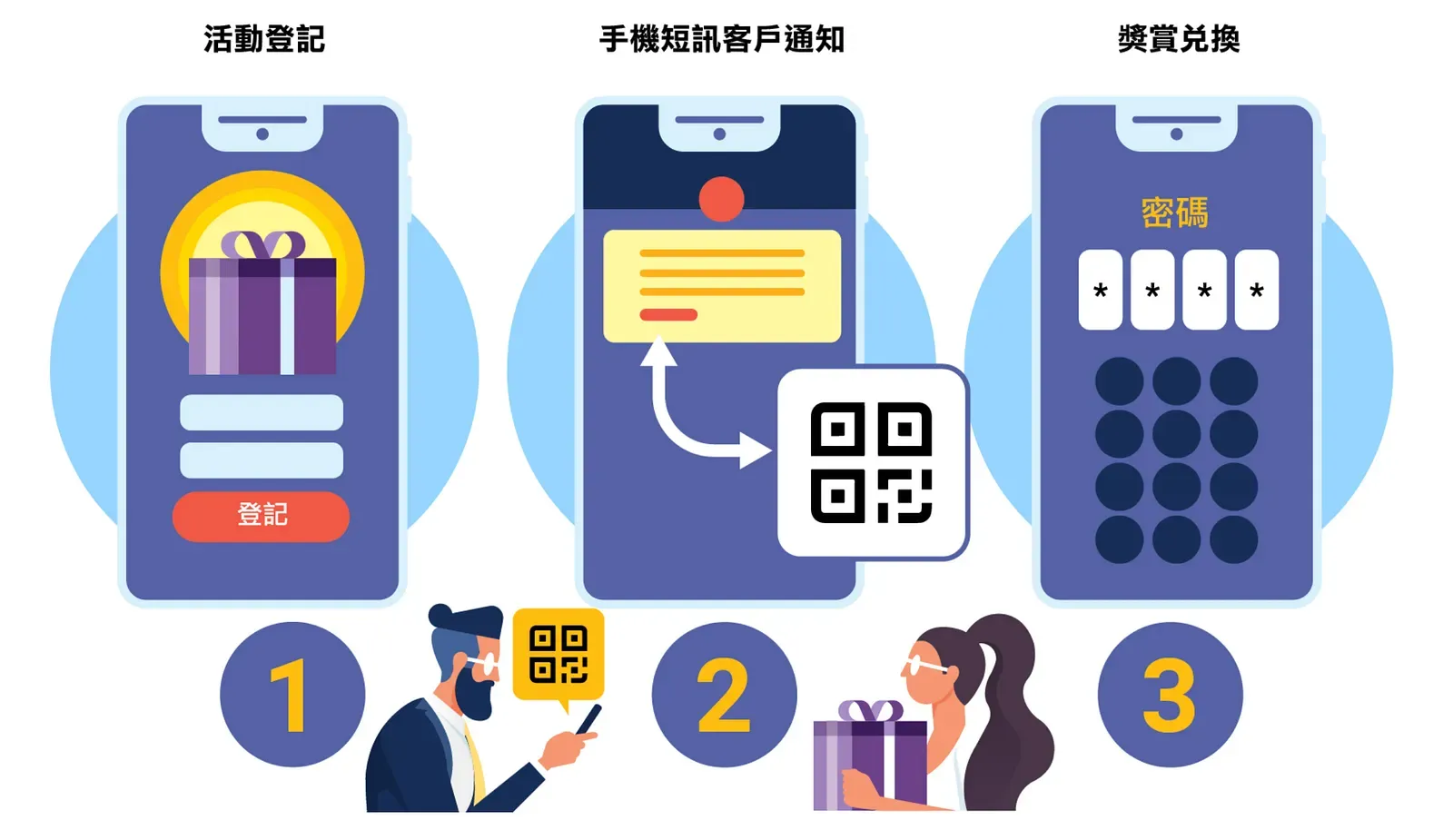
A customer sees an appealing small gift, registers, and receives an SMS with the validity period and terms. Because they chose to claim it themselves, they're relatively more likely to show up. In store, they open the link in the SMS and show a QR code; staff scan it to record the redemption. Instead of SMS, you can also notify customers on the channel they use most — LINE is common in Taiwan, WhatsApp in Hong Kong.
From the merchant's side, you capture a new customer's details the moment they register, and an in-store redemption is a clear sign of customer buy-in. Customers get to know your brand while you get to know them. Once that relationship starts, selling becomes much easier — though you still need follow-up communication for the best conversion.
2. Turn good reviews into store visits
A survey cited in the original article found that over 70% of people visit a store only after seeing good reviews online. When shops and restaurants deliver great service — and owners actively engage with customers — customers are more willing to leave a positive review.

For other prospective customers, seeing those reviews is a powerful push to come in and buy.
3. Buy online, pick up in store for a discount
An offer like "20% off for in-store pickup" satisfies the wish to save: most customers don't mind a short trip to collect their order in exchange for 20% off. Because it's an attractive deal, it also nudges customers to confirm the order — giving you more orders and a chance to build a relationship in store.
As we noted in Abandoned Cart Remarketing, extra fees or unexpected shipping costs at online checkout often lead shoppers to abandon their order.
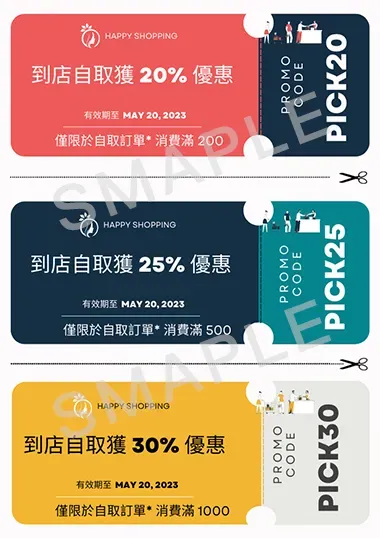
"Free shipping," on the other hand, motivates customers to add more, and you can offer it above a minimum spend — or turn the shipping you save into a discount that brings customers in for pickup. In-store pickup is also convenient: no waiting at home for a delivery.
4. Offer bookable free trials or consultations
If your business can offer a free experience or consultation by booking, it's an excellent hook that brings customers face to face with you, and a great chance to show how attentive and professional you are.
Take the beauty industry: many salons sell treatment packages, and a full course is rarely cheap. To attract customers, many owners open online bookings for a free trial or consultation, then answer questions about the treatment in person — giving customers more information and confidence, and ultimately closing the sale. For what a booking form should collect and how to reduce no-shows, see Online Booking Form.

O2O: a physical store's competitive edge
Many businesses have come to realize that these O2O strategies improve customer relationships, engagement and feedback, and that nurturing these customers helps win market share and build brand loyalty. O2O is an essential differentiator, and knowing how to use it strengthens your competitive advantage.
In practice, you can start with a single form: a coupon redemption form lets customers claim a coupon online and redeem it in store, or a booking form opens slots for free trials and consultations — and every customer who signs up leaves details you can follow up on.
Related articles
- Event Registration Form: Setup, Reminders & Check-in Guide
- From funnel form to follow-up: how multi-channel drip sequences actually work
- Service Booking Automation: Reminders, LINE Follow-Up & Rebooking